Minamoto no Yoritomo’s declaration as the first shōgun in 1192 marked one of the most dramatic turning points in Japanese history. This was no simple transfer of power, but the culmination of decades of conflict, cunning political maneuvering, and a revolution that would launch centuries of samurai rule, shaping nearly every aspect of Japan’s culture, governance, and ethos.
The Twilight of Imperial Power
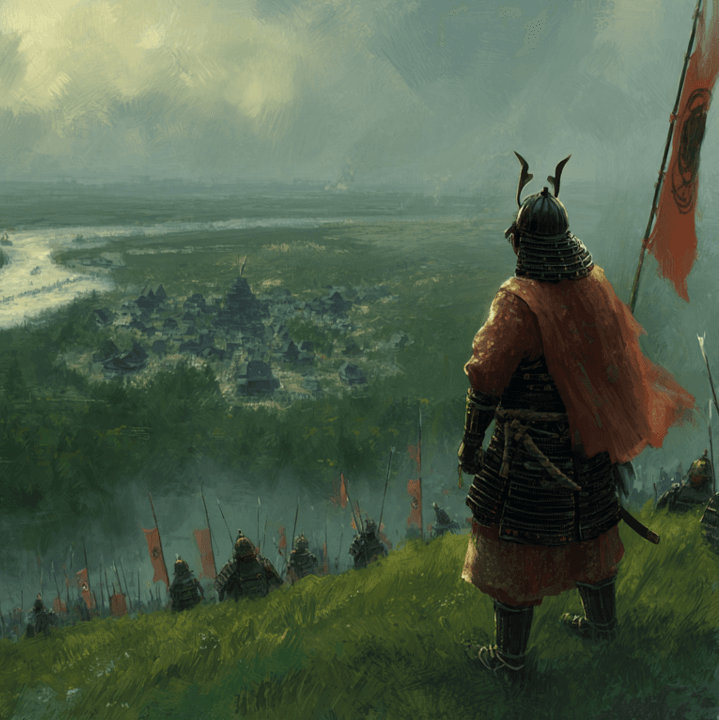
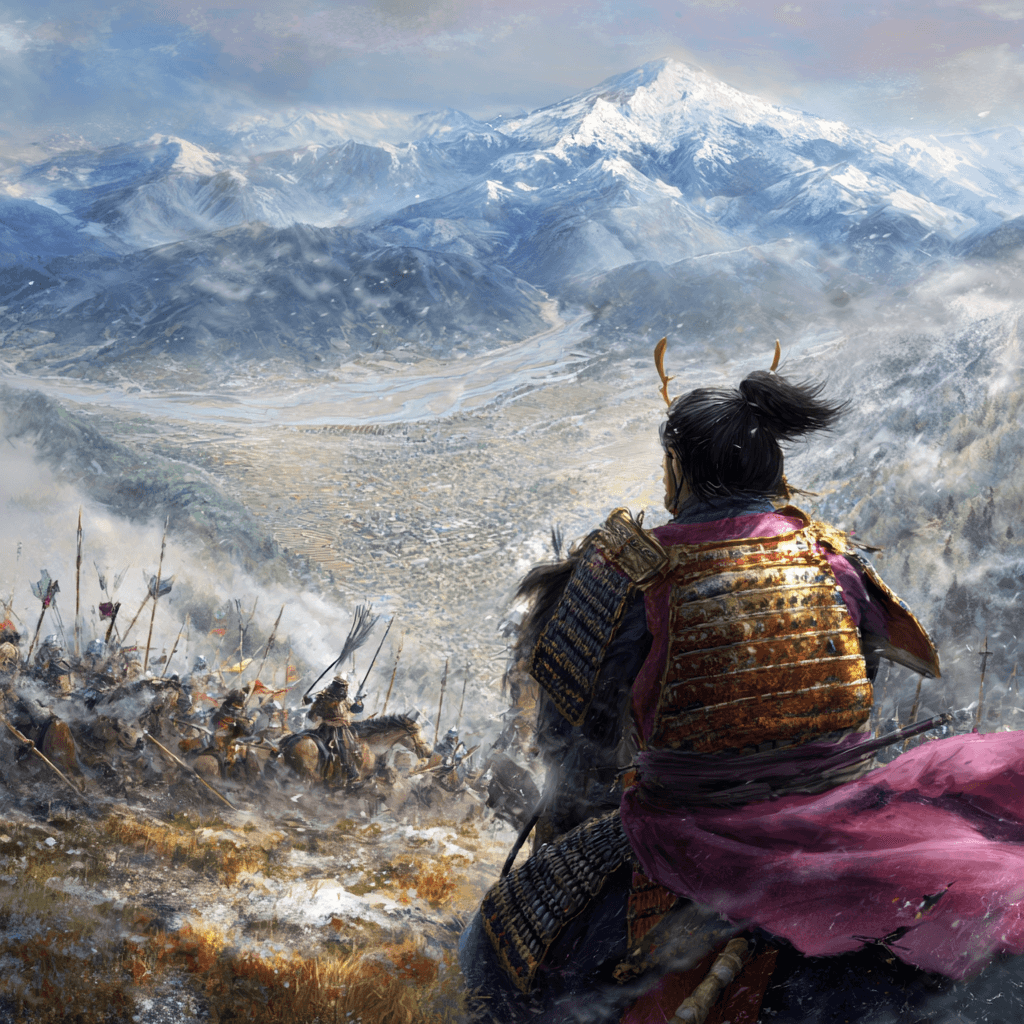
By the mid-12th century, the imperial authority that had built golden palaces and commanded the loyalty of the great families had faded, plagued by weakened central control and devastating financial neglect. The court aristocracy, once the very heart of power, ceded much of its practical influence as private landholdings, known as shōen, grew. These landholdings were managed by temples and courtiers, fostering a provincial warrior elite increasingly independent of Kyoto’s whims. The warrior class, dominated by two clans – the Minamoto (Genji) and the Taira (Heike) – emerged from this environment like storm clouds on the horizon.
Early Clashes: Exile and Survival
Minamoto no Yoritomo was born in 1147 into this tumult, son of Minamoto no Yoshitomo. His lineage was royal, his prospects promising, but fate was cruel. After a failed coup in the Heiji Rebellion of 1159, young Yoritomo was exiled to the remote coastal province of Izu, spared only through political calculation and the mercy of his captors. Much of his adolescence was spent amidst salt air and distant battle rumors, years marked not by glory but by survival, introspection, and ultimately, quiet preparation. In Izu, he would meet Masako – the daughter of Hōjō Tokimasa – whose strategic role would help propel Yoritomo’s return to power.
The Storm Breaks: Genpei War
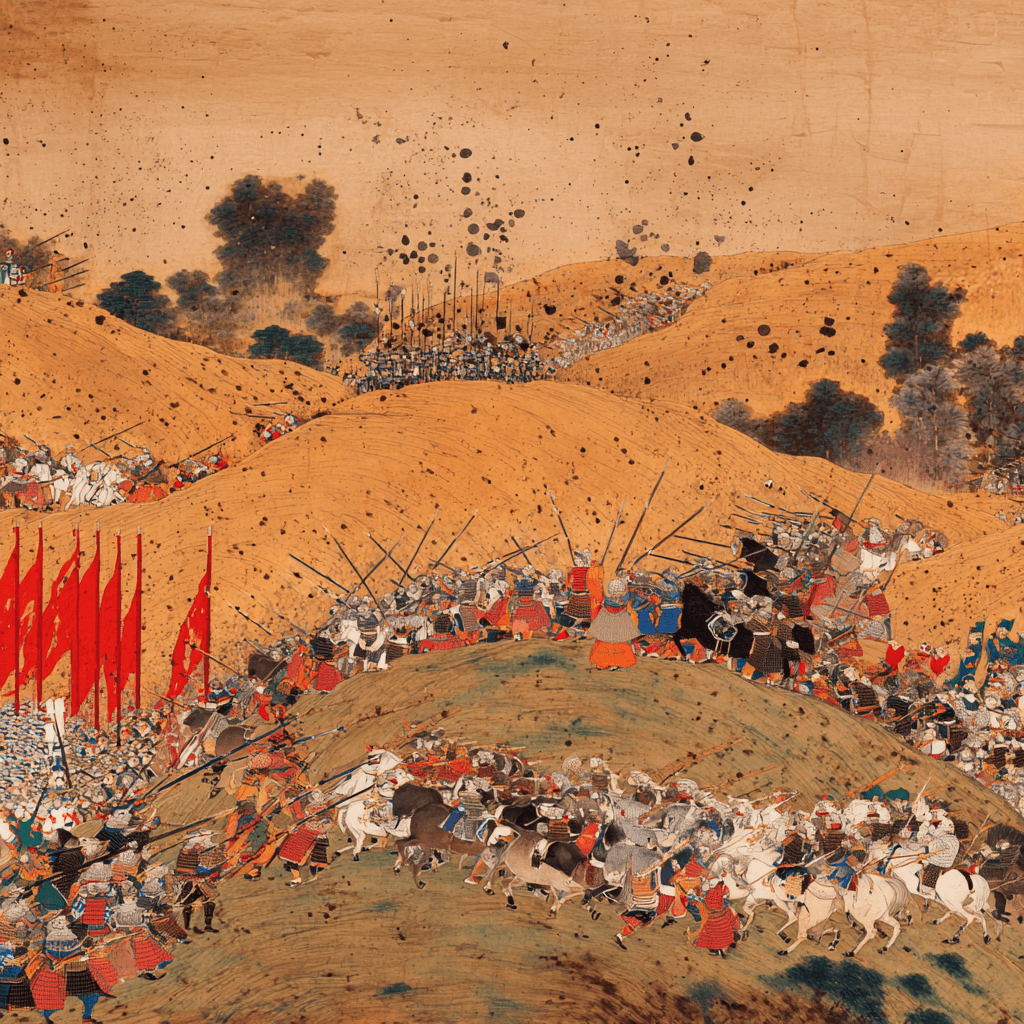
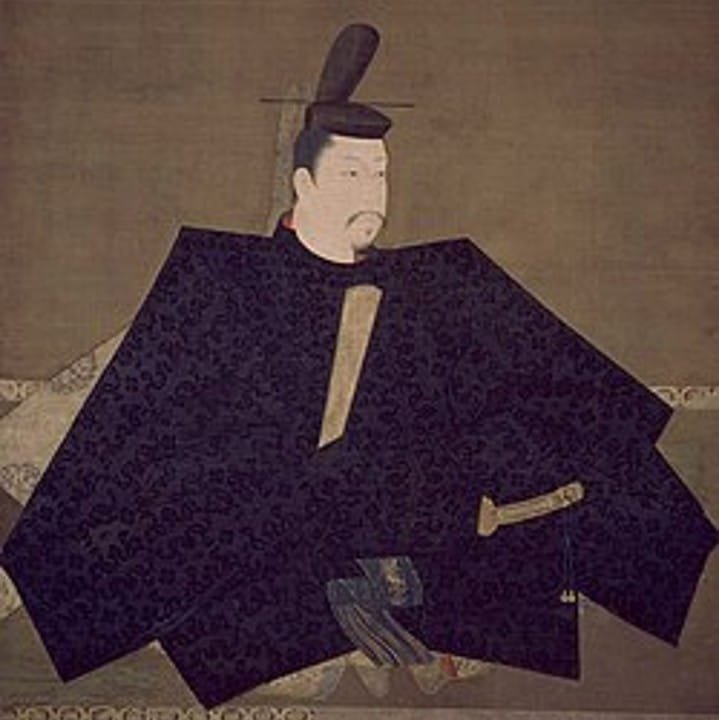
The true turn came with the Gempei War (1180–1185), the explosive climax of rivalry between the Minamoto and the Taira. With the ascension of a Taira child emperor, Antoku, Yoritomo found allies among disaffected aristocrats and warriors. The initial skirmishes were humiliating; his first army overwhelmed and scattered at Ishibashiyama. Yet Yoritomo was undaunted. He ingeniously confirmed land rights for local samurai who joined him, swelling the ranks of his supporters by offering tangible reward for risk. Repulsing the Taira at Fujigawa, he established an unprecedented headquarters at Kamakura, the birthplace of a new military government.
Building a New World: The Kamakura Administration
As the Gempei War intensified, Yoritomo revealed both his administrative acumen and his ruthless dedication. Blending old models from Kyoto with new warrior practices, he created bodies to administer justice, local affairs, and control his burgeoning samurai forces. This de facto government in Kamakura changed the very fabric of Japanese political reality. After the decisive defeat of the Taira at the fateful sea battle of Dan-no-ura in 1185, Yoritomo was the undisputed master of the land – though he had not fought on the front lines himself.
The fate of family accompanied Yoritomo’s ascent; his brilliant general and half-brother, Minamoto no Yoshitsune, was not only a hero of the war but also became its tragic victim. Fearing Yoshitsune’s popularity and charisma, Yoritomo had him hunted as an outlaw, forcing even his own loyal kin into conflict for the sake of political stability.
The Moment of Power: Shōgun
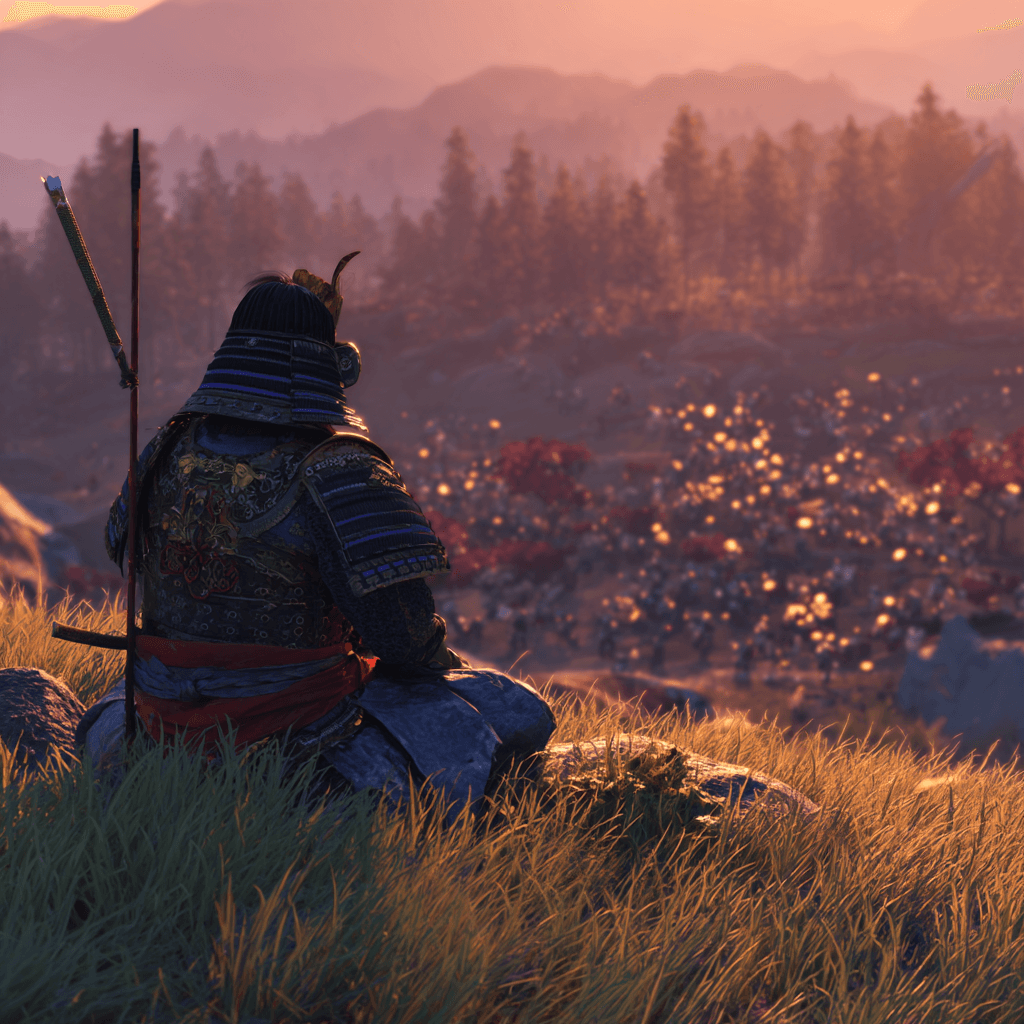
The imperial court, now little more than a pawn, finally surrendered to the realities of warrior rule. In 1192, Yoritomo was granted the ancient title of Seii Taishōgun – “Barbarian-Subduing Generalissimo” – long dormant and now revived to mark a new era. With this, military government as a parallel authority was sanctioned, and the feudal age dawned.
This was not just a bureaucratic innovation. The shift from aristocratic to samurai government upended centuries of tradition. Samurai administrators took over policing, land regulation, and justice, supplanting courtiers and forcing the emperor and his officials into ceremonial roles. Kamakura’s military government, the bakufu, would become the model for subsequent shogunates, enduring for more than six hundred years.
Forces Behind the Throne: The Hōjō and Masako
Key to Yoritomo’s success and legacy was the Hōjō clan. His father-in-law, Hōjō Tokimasa, would become regent after Yoritomo’s early death, solidifying a dynasty within the shogunate that would steer the ship of state for generations. Masako, the “nun shōgun,” outlived Yoritomo and wielded immense political influence, pushing the Hōjō to even greater dominance and acting as a power broker for the next era.
Lasting Impact: Centuries of Samurai Rule
Yoritomo did not create Japan’s samurai class but gave it discipline, legitimacy, and permanence. The government he founded provided greater stability and property rights than any previous regime. The values of the bushi – loyalty, justice, martial prowess, and discipline – became woven into the fabric of Japanese society, setting the stage for legends, artistic traditions, and lasting inspiration.
Under the Kamakura shogunate, Japan would face unprecedented challenges, including the Mongol invasions. Samurai defense, bolstered by divine winds (kamikaze), preserved independence, reinforcing the mythic stature of the warrior class. Over time, the shogunate weakened, but the template of military governance persisted through the Ashikaga and Tokugawa shogunates.
Cultural Legacy: Temples, Shrines, and Literature
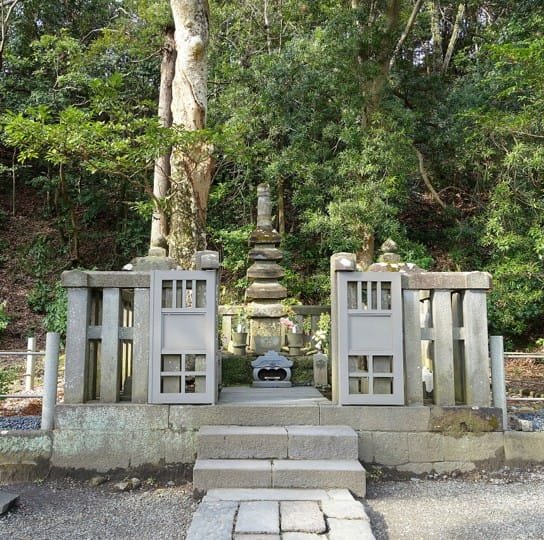
Yoritomo’s legacy survives not just in governance but in tangible places and sacred institutions. From the monumental Tsurugaoka Hachimangu shrine in Kamakura to the stories told in the epic “Heike Monogatari,” accounts of these wars and the rise of the samurai continue to captivate Japanese and global audiences. Temples dedicated to the shogunate’s deities, shrines honoring victories and the memory of fallen warriors, and the dramatic arc of ambition and betrayal – each reflects how deeply Yoritomo transformed Japan.
Ruthless but Revered: A Man for the Ages
History remembers Yoritomo as both a ruthless political survivor and a nation-builder. He created a new paradigm: not of the gentle scholar, but the sword-bearing administrator. His discipline and order brought peace, property security, and law – offerings the weary Japanese provinces valued above almost all else. Though his war against other Minamoto, especially Yoshitsune, would cloud his reputation, few leaders in Japanese history so dramatically shifted the course of an era.
When Minamoto no Yoritomo was declared shōgun, Japan ceased to be an empire ruled by distant aristocrats and became a nation ruled by warriors whose fate depended on loyalty, discipline, and martial skill. The echoes of Yoritomo’s revolution would ripple through centuries, shaping the Japanese spirit from the Kamakura era to the present day. The rise of the shōgun was the dawn of a new nation – one tested by conflict, and ultimately defined by the enduring values of the samurai.