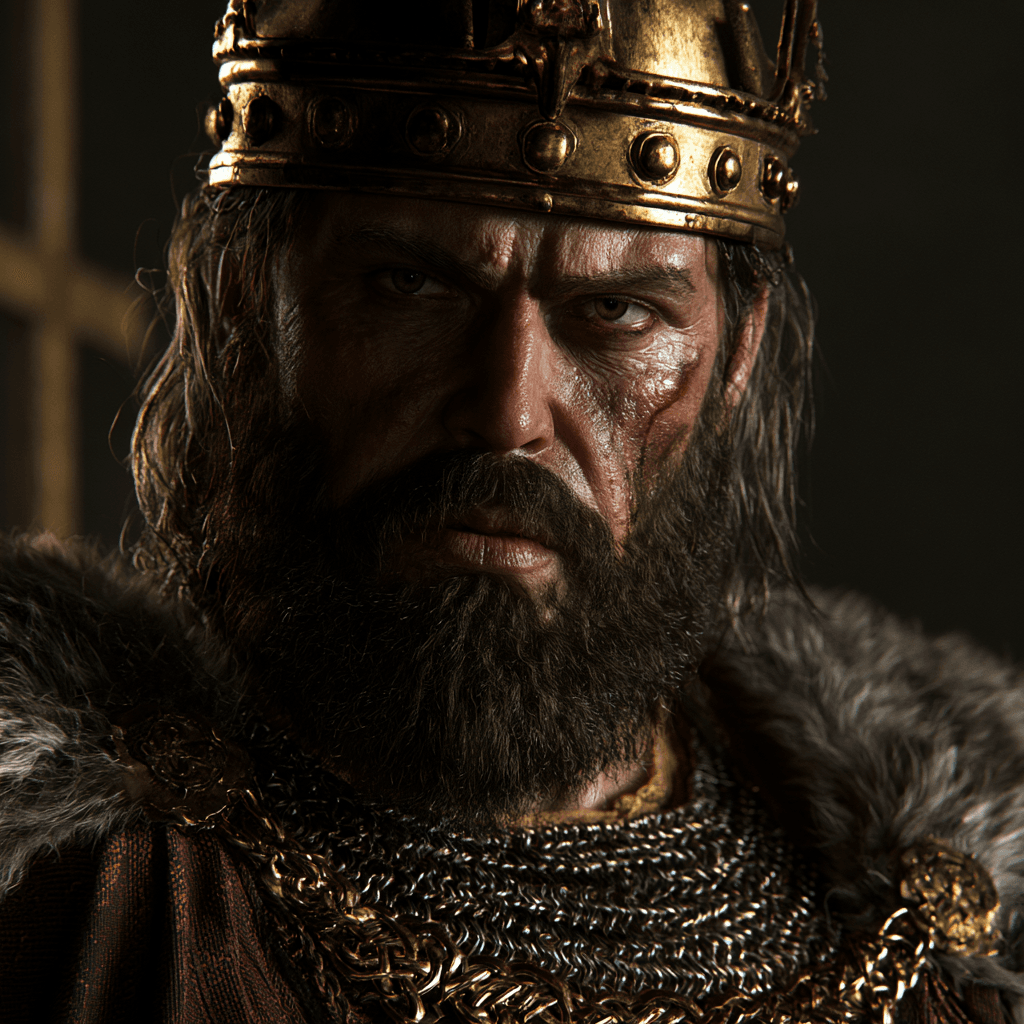
The Council of Preslav in 893 was a palace coup wrapped in a church council and finished as a full‑blown national reset. In a single, carefully staged gathering, Bulgaria lurched from a fragile steppe frontier kingdom with pagan hangovers into the self‑confident Slavic Christian super‑state that would terrify the neighboring Byzantine empire.
From Steppe Khanate To Christian Experiment
By the late 9th century, the First Bulgarian Empire was still living with a split personality. Its ruling elite, descended from steppe Bulgars, carried the memory of horse‑lords, sky gods, and khans, while the mass of the population was overwhelmingly Slavic, speaking a Slavic tongue and cultivating Slavic customs. Christianity had come only recently, imported not as a gentle spiritual awakening, but as a hard political calculation.
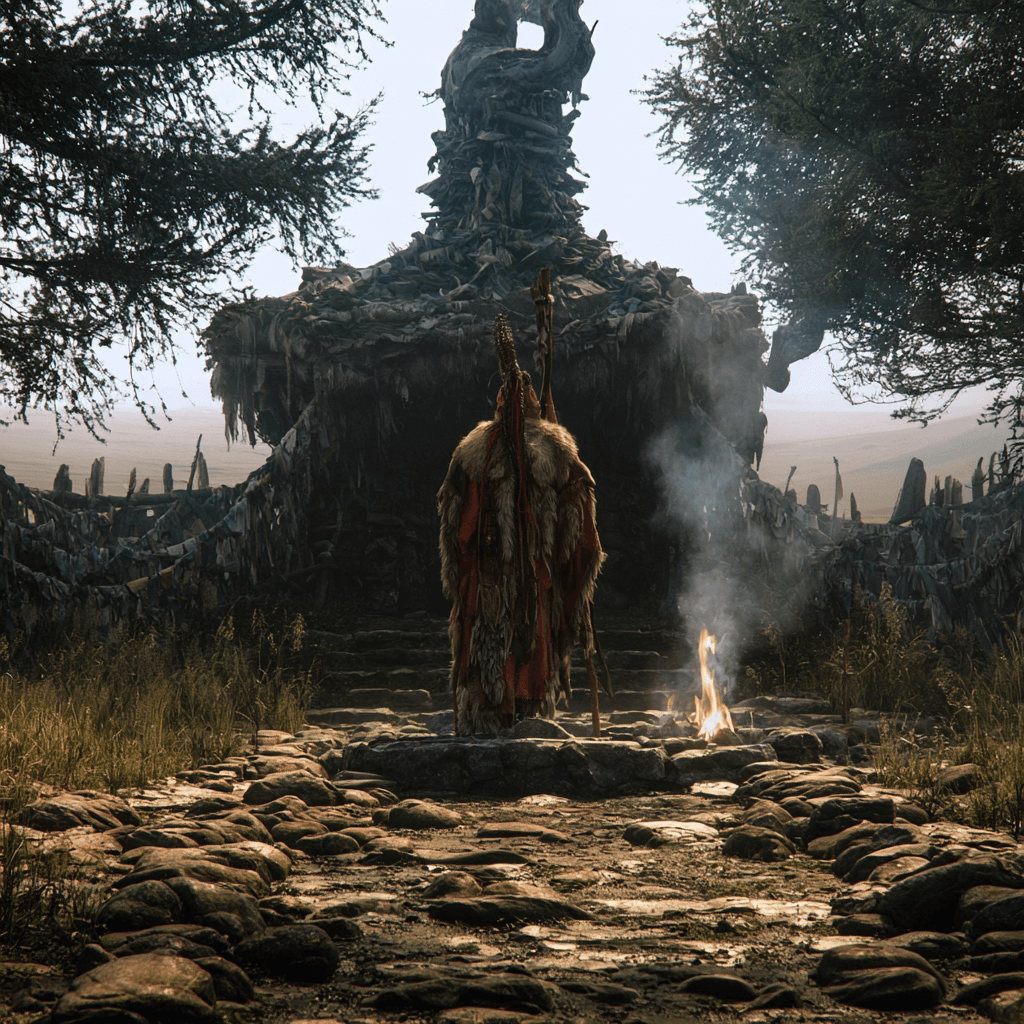
Prince Boris I, who ruled from 852 to 889, had converted Bulgaria to Christianity in the 860s, playing off Rome and Constantinople to secure an autonomous church and a place in the Christian diplomatic world. Yet under the new Christian façade, paganism remained strong among nobles in the old capital Pliska, where temples, old cults, and traditional power networks persisted. That tension between Christianization and steppe tradition was a time bomb Boris knew could still explode.
Boris Abdicates – And The Backlash Begins
In 889 Boris did something extraordinary: he abdicated, took monastic vows, and handed the throne to his eldest son, Vladimir‑Rasate. Contemporary accounts portray Boris as genuinely pious, but there was also calculation here: he had Christianized the state and wanted a peaceful succession that would secure his reforms. Vladimir, however, had other ideas.
Once in power, Vladimir attempted to undo his father’s revolution. He cultivated the old pagan aristocracy, tried to restore Tengrism (the traditional Bulgar religion), and leaned back toward the steppe past that Boris had spent decades trying to bury. That policy was not just a religious shift; it threatened Bulgaria’s carefully won position in the Christian diplomatic club, and with it the alliance options that had shielded the young empire from both Frankish and Byzantine pressure.
For a time, Boris watched all of this from his monastery near Preslav, cloaked literally in a monk’s habit. But when it became clear that Vladimir’s pagan reaction could unravel everything, the retired prince did what no one expected: he came back.
The Palace Coup: A Monk Puts On Armor Again
The sources preserve a striking scene. Learning of his son’s policies, Boris “took off his monastic clothes, put again the military sash, put on the royal garments,” gathered loyal God‑fearing men, and marched against Vladimir. This was not a slow, legalistic process; it was a coup backed by force, albeit one claiming divine justification.
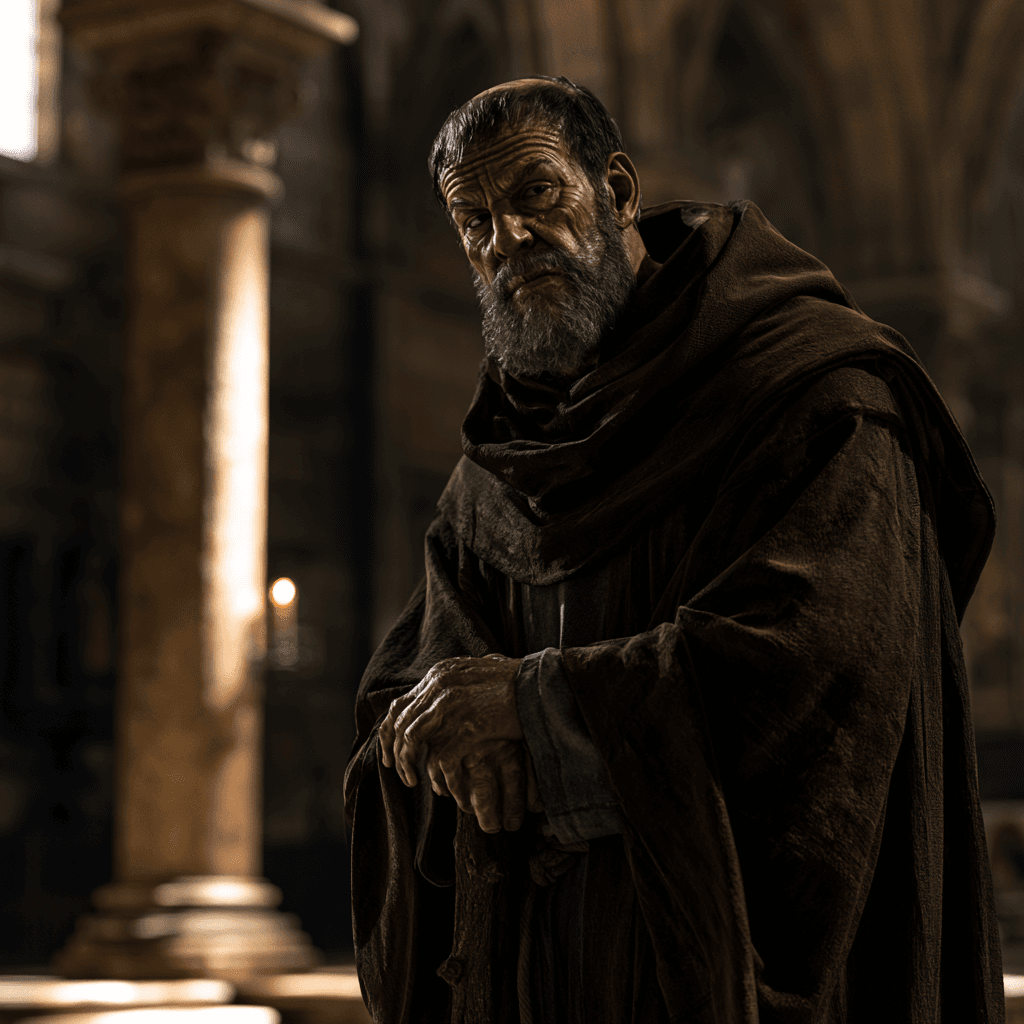
Vladimir’s resistance collapsed quickly and he was captured with little difficulty. Incredibly Boris had his son blinded and imprisoned; Vladimir’s wife had her head shaved and was packed off to a monastery. In one brutal stroke, Boris both neutralized the would‑be restorer of paganism and set an unmistakable precedent about what happened to rulers who tried to roll back Christianity.
Yet Boris understood something crucial: for the coup to stick, it could not remain just an old ruler’s revenge. It needed broad legitimacy: religious, political, and social. That is where the so‑called People’s Council of Preslav came in.
The “People’s Council”: Stage‑Managing Consensus
In 893 Boris summoned a grand assembly in Preslav, remembered as the People’s Council of Preslav. “People’s council” did not mean a democratic parliament; it meant a traditional Bulgarian gathering of nobles, clergy, and other elites whose acclamation could sanctify major changes. Boris used that format as a theatre of unity to lock in the results of his palace coup.
At Preslav, Boris presented Vladimir’s fall and Simeon’s rise as a defense of “true Christianity” and the public good. Chroniclers emphasise that in front of the assembled empire, he placed his younger son Simeon on the throne – and then threatened him with the same fate as Vladimir if he betrayed Christianity. It was a chilling warning, delivered publicly to ensure everyone understood where the red lines now lay.
This was not just about who wore the crown. The council became a platform for a sweeping reset that touched succession rules, the capital city, church hierarchy, and the cultural language of the state. In effect, Boris used one carefully choreographed meeting to uproot the last pillars of the old steppe order and replace them with a Slavic Christian one.
Simeon: The Scholar Prince Turned Tsar
The new ruler chosen at Preslav was not an obvious warlord in the old steppe style. Simeon, Boris’s third son, had been groomed for the church, educated in Constantinople, and trained among the circle of scholars translating Greek texts into Slavonic. Around 888 he had returned to Bulgaria and entered a royal monastery at Preslav, working alongside figures like Naum in the translation and literary programme.
The council released Simeon from his monastic vows and installed him as prince (later styled tsar). Historians still puzzle over why Boris skipped his second son, Gavril, in favour of Simeon, but Simeon’s combination of cultural sophistication and loyalty to his father’s Christian project made him the ideal instrument for the new order. Under Simeon, the empire would not simply survive as a Christian state; it would attempt to out‑Byzantine Byzantium itself.
The warning delivered at Preslav – change the faith and you will be blinded like your brother – hung over Simeon’s entire reign. But far from chafing under it, Simeon made orthodoxy, Slavic culture, and imperial ambition the pillars of his rule.
Moving The Capital: From Pagan Pliska To Christian Preslav
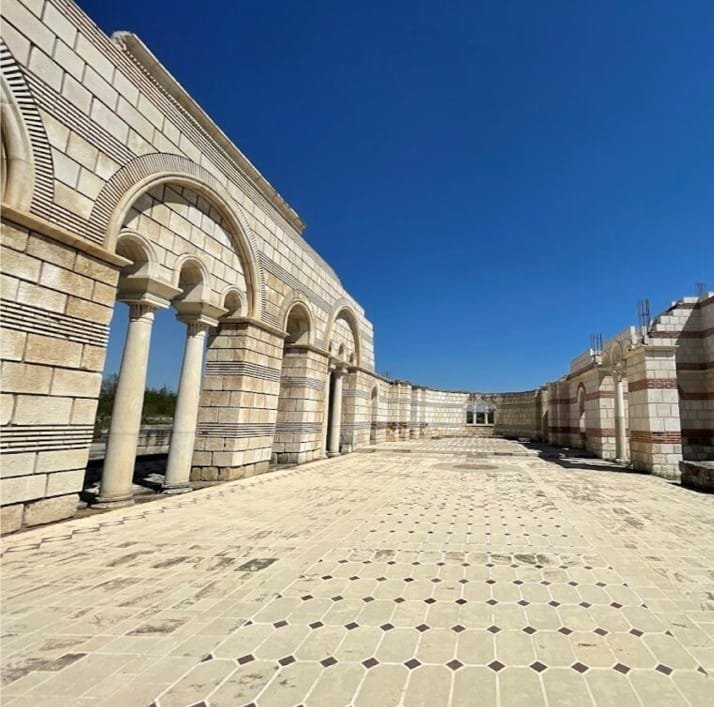
One of the council’s most dramatic decisions was the relocation of the capital from Pliska to Preslav. Pliska, the old centre of Bulgar power, was soaked in pagan associations – from its cult sites and rituals to the aristocratic families who had risen with the early khans. To consolidate Christianization and weaken those entrenched interests, Boris and Simeon opted to abandon it as the political heart of the state.
Preslav, by contrast, was closely tied to the new Christian order. It was near the Panteleimon Monastery where Boris had retired and where Simeon had likely resided; it was also becoming a centre of literary and ecclesiastical activity. Moving the capital there sent a double message: politically, it uprooted the old power base; symbolically, it proclaimed a definitive break with paganism and the steppe past.
Under Simeon, Preslav would be rebuilt with stone palaces, churches, and richly decorated buildings, turning it into a showcase of the new Bulgarian Golden Age. Archaeology and later descriptions emphasize Preslav’s status as a major medieval city, filled with churches, royal residences, and workshops that radiated cultural influence across the Slavic world.
Throwing Out Byzantine Clergy
Another key decision at Preslav struck at the most sensitive nerve in the Balkans: church control. Since Christianization, Byzantine clergy had played a major role in Bulgaria’s ecclesiastical life, bringing liturgy, theology, and discipline—but also Constantinople’s influence.
The council ordered the expulsion of the Byzantine clergy and their replacement with Bulgarian priests and bishops. Figures like Clement of Ohrid were raised to bishoprics, and the native hierarchy was empowered as the spiritual backbone of the state. That change had at least three effects: it weakened Byzantine leverage inside Bulgaria; it strengthened the local aristocracy’s stake in the Christian order; and it made the church an engine of cultural, not just religious, consolidation.
For Byzantium, this was a serious blow. An officially Christian Bulgaria was one thing; a Christian Bulgaria staffed by Greek‑speaking clergy answerable to Constantinople was another. After Preslav, Bulgaria moved decisively toward an independent ecclesiastical and cultural path, even as it remained doctrinally within the orbit of Eastern Orthodoxy.
The Language Revolution: Old Bulgarian As The Voice Of God
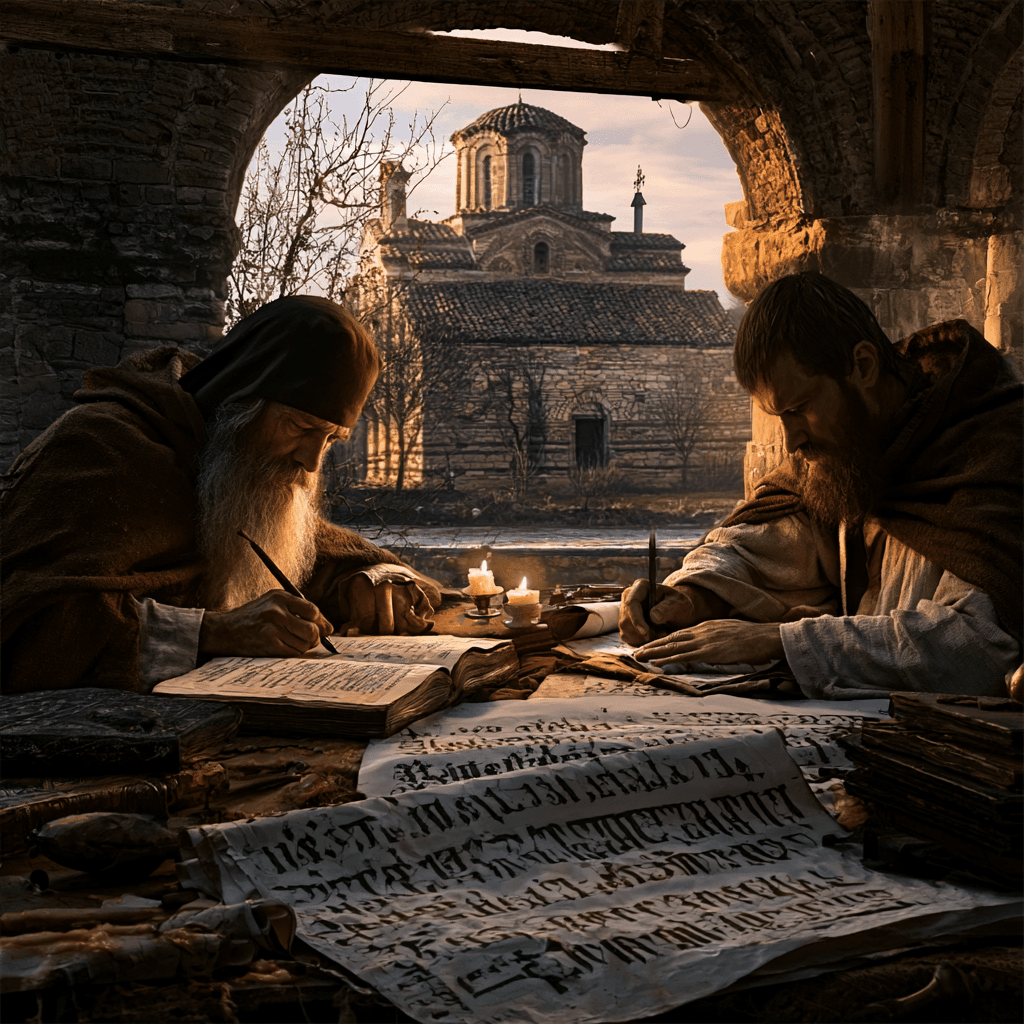
If any single decision at the Council of Preslav turned Bulgaria from “frontier state” into “Slavic super‑state,” it was the elevation of Old Bulgarian (Old Church Slavonic) to the official language of church and state. Greek, the language of Byzantine prestige, was pushed out of the liturgy and administration. In its place, a Slavic literary language, based on the work of Cyril and Methodius and their disciples, took centre stage.
This move did more than improve understanding among ordinary worshippers. It turned Bulgaria into the primary guardian and engine of Slavic Christian literacy. The Preslav and Ohrid Literary Schools flourished as centres of translation, original composition, and theological debate, churning out homilies, hagiographies, and liturgical texts in a Slavic tongue that could be exported across the Balkans and beyond.
Under Simeon, this literary flowering became the cultural core of what later historians call Bulgaria’s Golden Age. The combination of a native clergy and a Slavic liturgy allowed Bulgaria to present itself as the natural leader of Christian Slavs, rather than a mere provincial cousin of Byzantium. That soft power mattered just as much as armies and fortresses.
From Frontier Kingdom To Slavic Super‑State
The geopolitical results of the Preslav decisions became visible almost immediately. With the religious and cultural house now in order and a highly educated ruler on the throne, Bulgaria shifted from defense to assertive expansion. Throughout the 10th century, especially under Simeon I (r. 893–927), Bulgaria became the principal threat to Byzantine security.
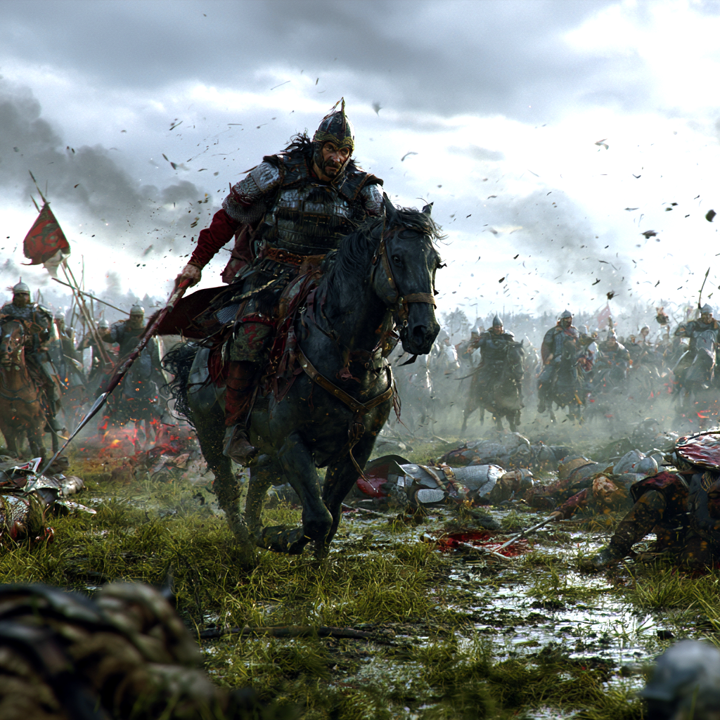
Simeon’s armies campaigned repeatedly against Byzantium, winning battles such as Boulgarophygon and pushing deep into imperial territory. At one point Simeon even entertained ambitions to sit on the throne in Constantinople or to create a “Bulgarian‑Byzantine” empire with himself at its head. The confidence to dream on that scale did not come from the old steppe heritage alone; it rested on the sense that Bulgaria now possessed its own Christian culture, language, and intellectual class equal to that of Byzantium.
The Byzantine reaction showed how seriously Constantinople took the new threat. As early as 894, Emperor Leo VI retaliated not with a crusade, but with an economic strike: he moved the market for Bulgarian merchants from Constantinople to Thessaloniki, inflicting a heavy blow on Bulgarian commercial interests. This provoked what historians call the first “commercial war” in Europe, which Simeon ultimately won on the battlefield. Economic pressure, culture, and arms were now intertwined in a high‑stakes rivalry.
A New Model For State‑Building
Seen in hindsight, the Council of Preslav created a template for medieval state‑building in the Slavic world. The combination of forced Christianization at the top, cultivation of a Slavic literary language, and deliberate distancing from Byzantine clerical control foreshadowed later developments in Kievan Rus’ and other Slavic polities. Bulgaria showed that a once‑pagan, steppe‑influenced kingdom could reinvent itself as a Christian empire with its own language of scripture, law, and literature.
Internally, the council reset the rules of succession, allowing a brother – Simeon – to succeed instead of strictly following primogeniture. That flexibility, justified by the need to punish apostasy, set a precedent that the moral and religious fitness of a ruler mattered as much as his birth order. It gave later Bulgarian politics a vocabulary for deposing “unworthy” rulers under the guise of defending the faith.
Externally, Preslav’s decisions broadcast a clear message to neighbours: Bulgaria was done being a peripheral frontier. With its own Christian identity, Slavic high culture, and a capital that rivalled contemporary cities, it demanded to be treated as an equal to the empire in Constantinople – sometimes with pen and chalice, sometimes with sword and siege engine.
The Man Behind The Curtain: Boris I’s Last Triumph
It is tempting to see Preslav as Simeon’s beginning, but it was equally Boris’s final act. He had entered a monastery as a defeated old warrior who had seen his Christian revolution only partially accepted. Four years later, he strode out in armour, crushed his own son, and then choreographed an assembly that rewired the political, religious, and cultural DNA of his state.
After the council, Boris returned once more to the cloister and died a few years later, leaving Simeon to enjoy the fruits – and manage the dangers – of the new order. Yet the architecture of that order was his. The palace coup at Preslav was not just about blinding a rebellious son; it was about blinding the old Bulgaria, with its steppe cults and Greek‑dominated clergy, and opening the eyes of a new Slavic super‑state just coming into its terrifying prime.