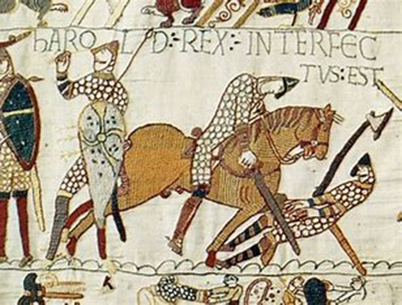
The Battle of Hastings was decisive, but it did not end resistance. William was crowned King of England on Christmas Day 1066, yet major revolts broke out in Exeter, the north, and the Fens, and the conquest was not fully secured until 1071. The process of conquest involved profound political, administrative, and social changes, with William’s rule having to be consolidated by force over several years.
That matters because the word “takeover” can make the conquest sound neat and administrative, when in reality it was backed by castle-building, reprisals, and devastation. The Harrying of the North in 1069–70 was not a normal change of regime; it was a punitive military campaign that deliberately wrecked a rebellious region. If you are judging by blood, land, and terror, this was a revolution imposed by conquest.
What changed fast
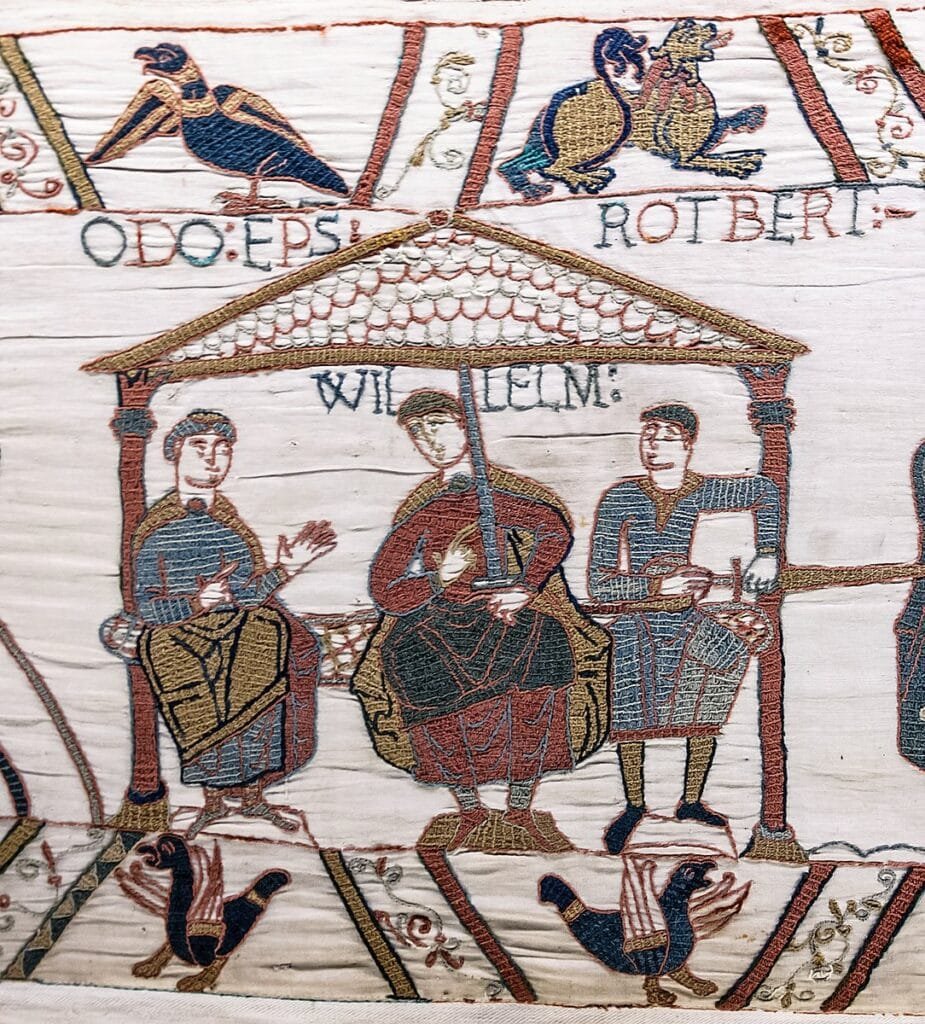
The quickest change was at the top of society. William replaced the old English aristocracy with Norman tenants-in-chief, granting land directly to fewer than 180 men and creating a new ruling class tied to him by military service. The old English elite was not merely trimmed; it was largely removed and replaced.
Church leadership changed too. Norman bishops replaced Anglo-Saxon bishops, with only a few exceptions, and the higher clergy became closely tied to the new regime. Language at the summit also changed, as Latin and Anglo-Norman increasingly displaced written English in law and administration. That is why historians often describe the Conquest as one of the most transformative events in English history.
What stayed familiar
Yet William did not build his regime on a blank slate. The shire and hundred courts continued to function, and the basic machinery of local government survived, even if Norman officials now controlled it. William also kept and used much of the Anglo-Saxon fiscal and judicial system, including inherited tax structures and elements of customary law.
This is why some historians prefer the language of continuity. England was conquered, but it was not erased. The king still needed existing institutions to tax, judge, and govern a country that was newly subjugated but not administratively primitive. The ruling class was transformed but there was little destruction of the old structures of rule.
Slavery after 1066
The social history below the aristocracy is especially important. Anglo-Saxon England had slavery, and one of the major long-term changes after 1066 was the decline and eventual disappearance of outright slavery. That decline was gradual, but the Norman period accelerated it, and William is associated with bans on slave export and with the shift toward a more structured manorial system.
Domesday Book in 1086 still recorded thousands of slaves, so slavery did not vanish immediately. But by the middle of the 12th century, outright slavery in the old English sense had largely disappeared. In other words, the Conquest did not instantly abolish slavery, but it helped push England away from it over time.
How much land stayed Anglo-Saxon?
The change in landownership was immense. By 1086, only about 5 per cent of land in England south of the Tees was left in English hands. That means the Anglo-Saxon elite had been almost completely dispossessed, especially in the south.
A useful way to put it is this: the Conquest was not merely a change of ruler; it was a redistribution of property on a national scale. Under Edward the Confessor, major Anglo-Saxon magnates had controlled vast estates, but after 1066 those estates were largely broken up and transferred to Norman lords. So if the question is whether Anglo-Saxons still owned a meaningful share of England after the Conquest, the answer is: very little, and shrinking fast.
Revolution or continuity?
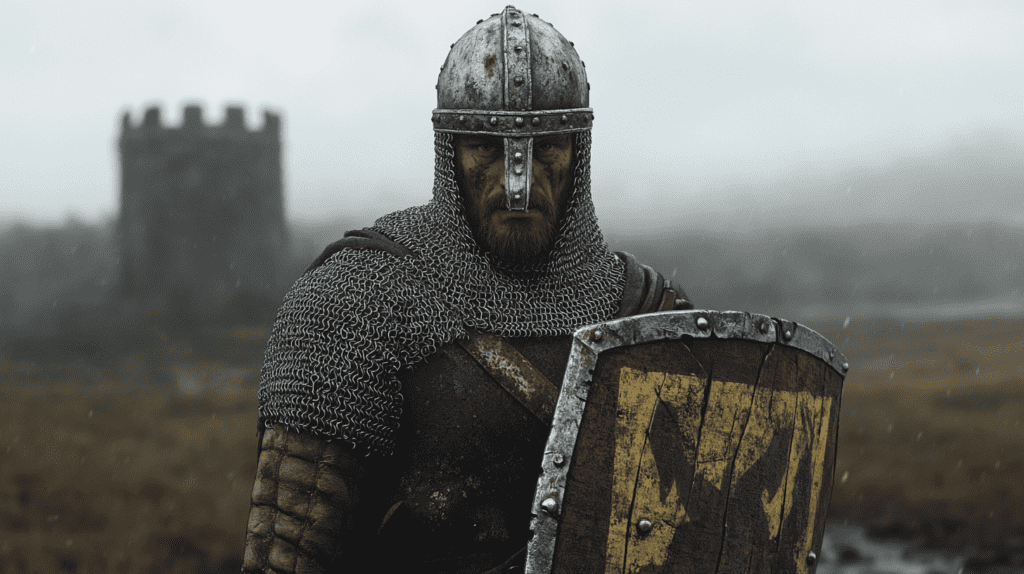
On balance, the Norman Conquest was a revolutionary political and social break, but not a complete institutional reset. William won by force, replaced the ruling class, reshaped the church, redistributed land, and tied England more closely to continental Europe. At the same time, he governed through much of the existing English administrative framework, which softened the appearance of change while not reducing its depth.
So the best answer is this: it was a revolution in who ruled and owned England, but a smoother takeover in how the kingdom was administered. That combination is exactly what makes 1066 so historically important. It was violent enough to smash one elite, practical enough to preserve much of the state, and radical enough to change England for centuries.
Why 1066 still matters
The Conquest created a new aristocracy, a new political orientation, and a new balance of power between crown, church, and landholders. It also helped shape the long Anglo-French connection that would define medieval English politics for generations. Even the famous “smoothness” of some administrative continuity should not obscure the fact that this was a regime built on conquest, confiscation, and coercion.
In the end, the Norman Conquest was not a mild transition with a new king at the top. It was a violent reset of landholding, a near-total replacement of the elite, and a long military occupation that had to be enforced for years. The smoothness was mostly at the level of paperwork; the revolution was in power.