
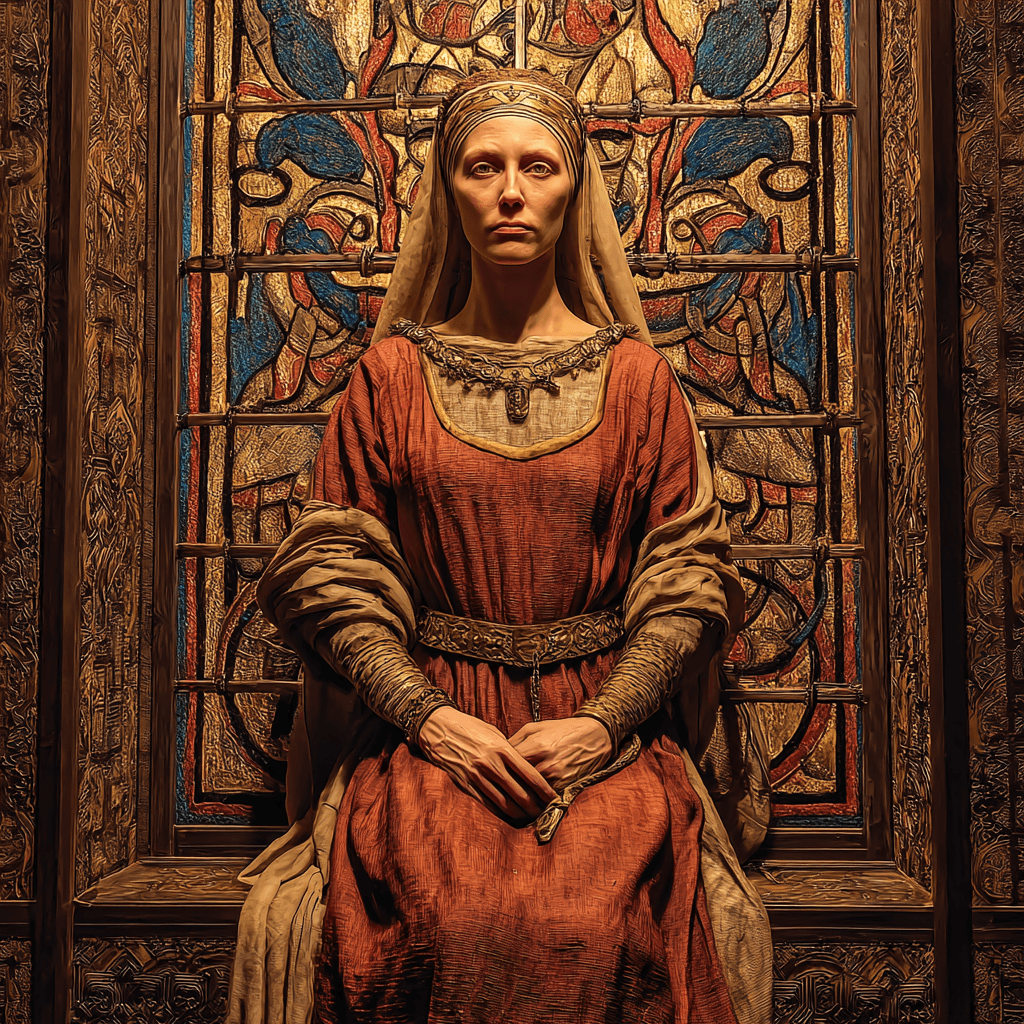
Empress Constance of Sicily’s rise and mysterious death form one of early medieval Europe’s most compelling tales of ambition, betrayal, and dynastic turbulence. Her journey from isolated heiress to the force behind two thrones is marked by drama, scandal, and a final act that sent shockwaves through both Sicily and the Holy Roman Empire.
An Heiress in Waiting: Sicilian Shadows
Constance was born in 1154, the daughter of Roger II, the Norman King of Sicily. Her destiny was remarkable, even by royal standards. Due to a foreboding prophecy warning that her marriage would bring disaster to Sicily, Constance remained unmarried until she was thirty, a rare anomaly among medieval princesses. Though this was intended to shield the kingdom from misfortune, it left Constance a solitary figure watching decades of fierce succession and court intrigue unfold from the sidelines.
As the sole legitimate descendant of the Hauteville dynasty, by the late 1180s Constance was the clear heiress to a realm that had become one of the Mediterranean’s wealthiest and most sophisticated kingdoms. Sicily, a land renowned for its diversity and splendor, was an irresistible prize for rival princes and European powers alike.
The Imperial Match: Walter of Hohenstaufen
Constance’s eventual marriage was no quiet affair. At age thirty she married Henry of Hohenstaufen, who would become Emperor Henry VI of the Holy Roman Empire. Though politically brilliant, the match stoked intense suspicion among Sicilian nobles, who worried about German influence over their island. The Sicilian populace, fiercely proud of their independence, eyed their new empress warily.
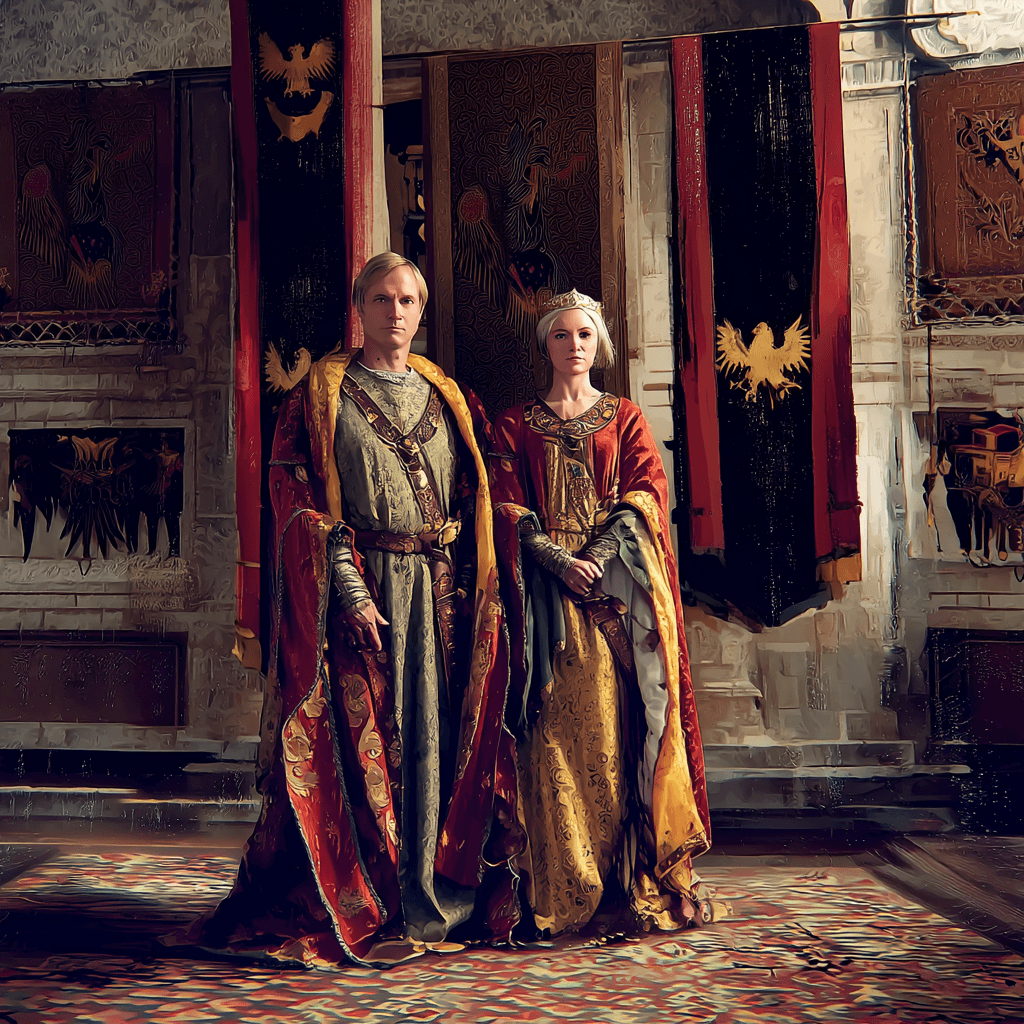
Yet for Constance, the marriage was a turning point. She shifted from a peripheral figure to the leading contender for the Sicilian throne, placing herself at the dangerous intersection of Norman, Sicilian, and imperial ambitions.
Succession War: Tancred’s Coup
Sicily’s transition of power would never be smooth. When King William II died childless in 1189, Constance’s cousin Tancred – a bastard, but shrewd – seized the throne. With backing from key nobles and rapid deployment of his forces, Tancred captured Constance and imprisoned her, launching a succession crisis that would embroil all of Europe.
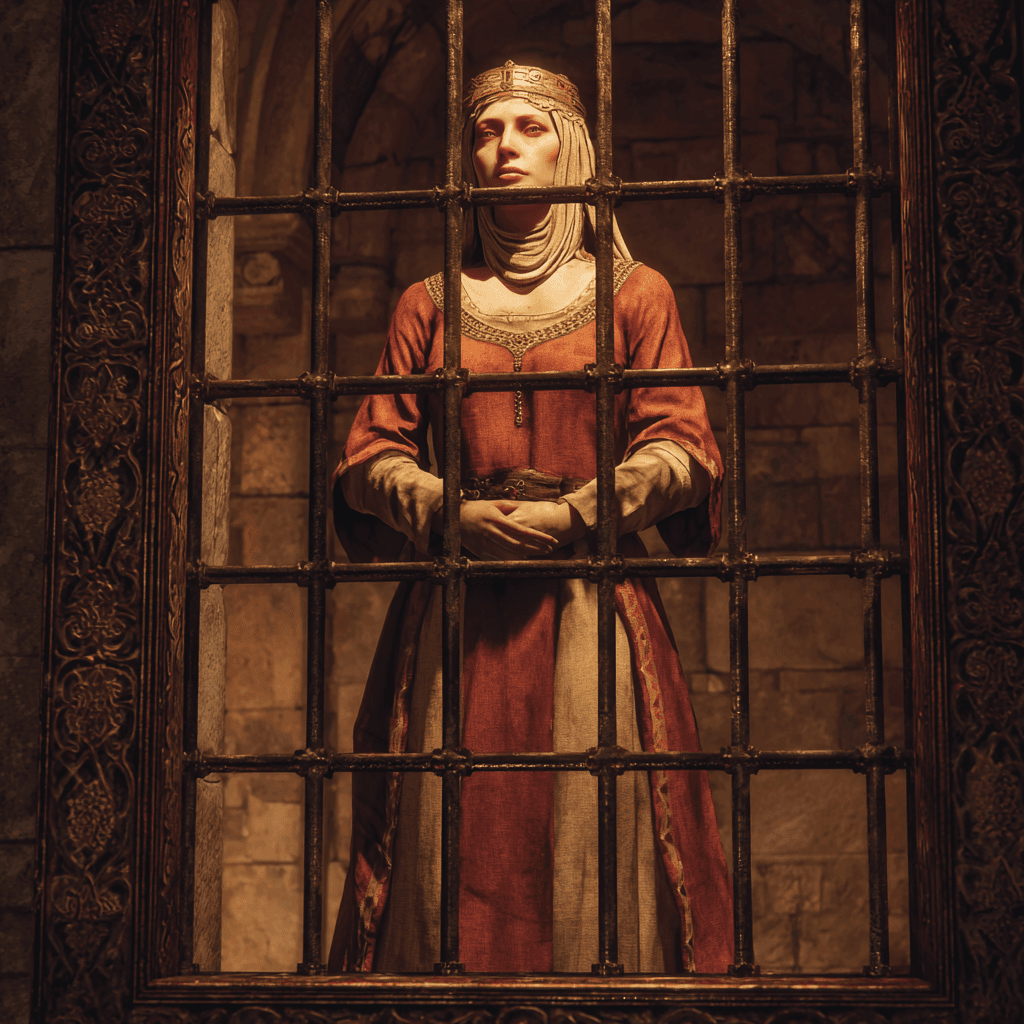
Constance’s captivity is legendary. She was besieged at Castel Terracena and presented herself, regally attired, to the crowd in a balcony, parrying calls for her surrender with measured speech and dignified appeal. Despite Tancred’s wife Sibylla urging her execution to eliminate a rival, Tancred instead imprisoned Constance in the Castel dell’Ovo, surrounded by water and reputedly impenetrable. Yet Constance was eventually released – thanks in part to papal pressure on Tancred to avoid bloodshed, and the threat of excommunication.
Shifting Alliances and Imperial Revenge
After her release, Constance was reunited with Henry, who remained determined to take Sicily by force. Tancred died suddenly in 1194, his lineage weakened further by the untimely deaths of allies. Henry wasted no time: leveraging the massive ransom paid for Richard the Lionheart, he invaded Sicily, overthrew Tancred’s son William III, and was crowned King of Sicily on Christmas Day.
Constance followed Henry, pregnant at forty and dogged by rumors about the child’s paternity. To quell doubts, she famously gave birth to Frederick in a tent on Palermo’s central square, presenting and nursing the infant publicly to validate his lineage. It was a symbolic act of transparency – one calculated to assert her authority over both skeptics and supporters.
The Queen Reigns Alone
Henry’s reign was brutal and short-lived; he died suddenly in 1197, leaving Constance as the ruling queen and regent for their infant son Frederick. Now wielding dual authority as Holy Roman Empress Dowager and Queen of Sicily, Constance faced impossible choices. Should her son become Emperor, risking Sicily’s independence? Or remain content as King of Sicily, preserving autonomy but sacrificing imperial ambition?
Constance chose alliance with the Papacy, believing the Pope’s guardianship would secure Sicily’s future. She gave up her son’s imperial claim in favor of Philip of Swabia, her brother-in-law, recognizing the political reality that her son could not dominate both realms. Still, she carefully protected Frederick’s inheritance: her will set a Regency Council and declared the Pope as young Frederick’s feudal suzerain, extracting sworn loyalty from her subjects to the papal protectorate.
Death and Rumors: A Shocking End
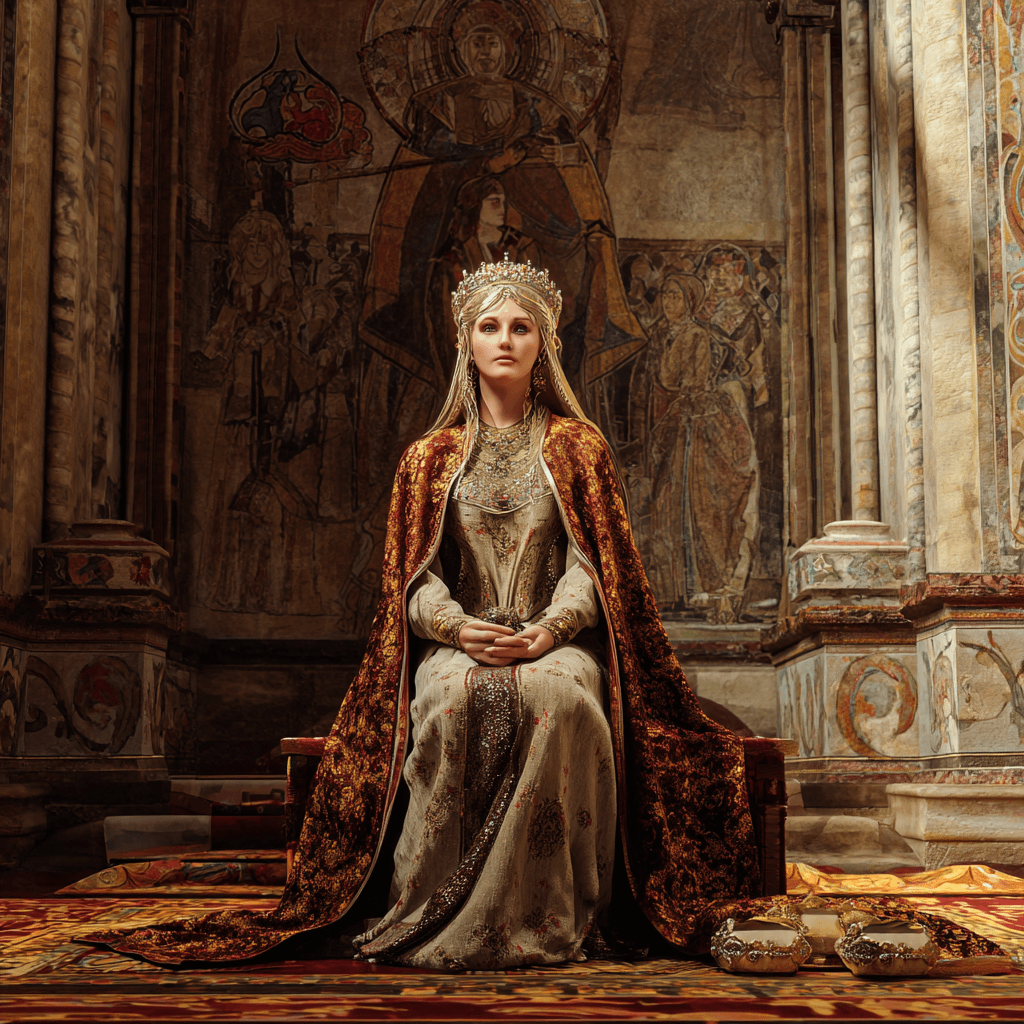
As Constance maneuvered through her regency, mystery shrouded her final days. She died suddenly in Palermo on November 27, 1198 – just a year after her husband and before the cardinal sent by the Pope to receive her court’s homage arrived. The abruptness, coupled with intense political instability and recent violence, spawned wild rumors: some whispered of poisoning, others of divine retribution, and some insisted her death was orchestrated to clear the path for foreign or papal control.
Her burial in Palermo Cathedral, near the tombs of her husband and father, cements her status as a pillar in Sicilian history. Yet her death precipitated chaos: rival factions vied for control, and Sicily descended into violence until Frederick eventually reached his majority in 1208.
Legacy: Shocking the Empire
Constance was the last of the Norman rulers of Sicily, the dynastic bridge between Mediterranean royalty and the emerging Hohenstaufen rulers. She held together her kingdom with acumen and sheer force of personality, outwitting rival claimants and even her own husband.
Her determination, resilience in captivity, and political foresight shaped both the future of Sicily and the Holy Roman Empire. By allying herself with the Papacy, she ensured her son would escape imperial plots and forced marriages, setting the stage for Frederick II’s legendary rule – a regime that would ironically challenge papal authority.
Empress Constance defied the expectations of her era – marrying late, ruling alone, surviving captivity, and orchestrating the future of a kingdom on the edge of dissolution. Her sudden death at the peak of her powers remains an unsolved puzzle, fueling speculation, myth, and scholarly debate across centuries. In the tangled world of Norman Sicily and imperial ambitions, her story stands as a beacon of courage, cunning, and the eternal uncertainty of medieval power.